- A long shot of the main protagonist and his friend walking towards the camera.
- The camera then cuts to the other friend riding the bike around the corner, using a medium close up (Wipe Transition)
- (Wipe Transition) An establishing shot of the area that they live in.
- Long shot of the two protagonist
- Cuts to a medium close up of the protagonist
- Shot reverse shot of the two characters having a conversation (x5)
- Low angle shot of two protagonists entering the staircase
- Pan shot from the two protagonist then to the bus
- Long shot of the protagonist
- Establishing shot of bridge
- Medium shot of two protagonist
- Medium shot of the other two protagonist
- Wide shot of either protagonists walking towards each other on a bridge
- Over the shoulder shot behind the main two protagonists
- A shot reverse shot of the conversation (x5)
- Wide shot of the characters leaving the bridge
- Dolly back as characters walk down the staircase to the bus stop
- Close up of the protagonist checking the bus times on his phone
- Long shot of the bus coming
- Steadi cam of them going upstairs and to the back of the bus
Thursday, 26 January 2017
Planning - Shot list
Shots in opening scene:

Tuesday, 24 January 2017
URBAN BRITISH CRIME
URBAN BRITISH CRIME
British crime is a sub-genre of drama, it is best known for showing realistic social issues. this genre was discovered in the late 1980's to 90's in an explicit manor still to day involving 'hood films'. these films often show aspects of urban 'black culture' such as ; rap, drugs, gangs, racism, murder, violence and profanity.
British crime is a sub-genre of drama, it is best known for showing realistic social issues. this genre was discovered in the late 1980's to 90's in an explicit manor still to day involving 'hood films'. these films often show aspects of urban 'black culture' such as ; rap, drugs, gangs, racism, murder, violence and profanity.
we have researched into 3 other urban British crimes to influence how we are going to film are title opening. these films are Harry brown( Daniel Barber, 2009), Kidulthood (Menhaj Huda, 2006) and Ill manors(Ben Drew, 2012)
we have been influenced by the opening of Harry Brown when we see the boy riding the bike and we have decided we are going to use this idea in our own title sequence.
groups Idea
Equilibrium: The four gang members are patrolling around the hood and decide to go up central London (presumably to cause trouble).
Disruption: James (one of the gang members) meets computer hacker Daniel Fincher, who wants his help to infiltrate the biggest drug deal in the uk
Recognition: The infiltration is heard of and the dealers were ready for James and the rest of his gang's arrival, as expected they get caught.
Reparing of damage: James' gang is able to escape the place that they were trapped by the dealers (finding and taking the money also).
New equilibrium: The hacker gives the gang their cut and James's gang go back to the hood
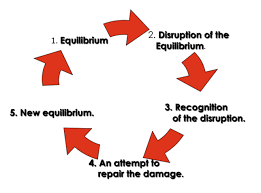
Disruption: James (one of the gang members) meets computer hacker Daniel Fincher, who wants his help to infiltrate the biggest drug deal in the uk
Recognition: The infiltration is heard of and the dealers were ready for James and the rest of his gang's arrival, as expected they get caught.
Reparing of damage: James' gang is able to escape the place that they were trapped by the dealers (finding and taking the money also).
New equilibrium: The hacker gives the gang their cut and James's gang go back to the hood
Wednesday, 18 January 2017
Individual Story Idea
equilibrium: there are 4 boys are in a urban environment and they are just hanging out on the streets of London and just lurking around their neighbourhood. just going through their everyday routine.
Disrupted: then they see an older group of boys which motivate them as the older group have money and everything the 4 boys want so they approach them.and the older group encourage them into bad things such as dealing drugs and they persuaded them to go to a big drug deal and intercept it and collect the drugs.
resolution: they go to the drug deal and one of the 4 members died. so the other 3 boys run away and go back to the older group and explain what happens.
repair the disruption: they get told by the older's that they don't care and they want the money. So they find a way of making the money and give it to the older group.
New Equilibrium: All 3 of them decide that they are better off living how they used to live so they go back to their old days when they use to jus hang out and chill and play football at the local cage.
Disrupted: then they see an older group of boys which motivate them as the older group have money and everything the 4 boys want so they approach them.and the older group encourage them into bad things such as dealing drugs and they persuaded them to go to a big drug deal and intercept it and collect the drugs.
resolution: they go to the drug deal and one of the 4 members died. so the other 3 boys run away and go back to the older group and explain what happens.
repair the disruption: they get told by the older's that they don't care and they want the money. So they find a way of making the money and give it to the older group.
New Equilibrium: All 3 of them decide that they are better off living how they used to live so they go back to their old days when they use to jus hang out and chill and play football at the local cage.
Codes and Conventions
of Urban Teen Drama
Settings
Dark place
Blocks of flats
Streets
Corner shops
Neighborhood
Estate
Council Estate
Typical clothes
Tracksuits
Caps
Beanie
Chains
Bandana
Balaclava
Trainers
Suits
Gloves
Smart shoes
Props
Guns
knifes
Drugs
Phones
Alcohol
Bags
Bikes
Gadgets
Film Examples
Kidulthood
Adulthood
Brotherhood
Anuvahood
David Bent
The Girl with All the Gifts
These films all have the same genre of drama or comedy and some of them include crime.
Monday, 16 January 2017
The Art of the Title Sequence
Today we’ll take a closer look at that short space of time between the moment the lights go down and the first scene of a film, the part that so often sets our expectations of a movie, that sequence that speaks to our creative side: the art of the film title. We’ll look at the evolution of title design and some particularly interesting titles from various periods in the history of cinema and animation.
This teaches me that most people only remember the first part of the story and it shows me how to set up the title page so I can use techniques to draw more attention to the story.
Film titles can be great fun. In them we see the bond between the art of filmmaking and graphic design — and perhaps visual culture as a whole. They have always served a greater purpose than themselves: to move the overarching story forward. Whether you are a motion graphic designer, a digital artist or a connoisseur of design, we hope you are inspired by these film titles and the ideas they suggest to your own creative endeavours. At the end of this post, you’ll find a listing of relevant typefaces and Web resources.
This shows me that the film title should tell some of the story and the graphics and design should be attractive as well.
Words and lettering played an enormous role in films of the silent era. Film titles made their appearance in the earliest silent films, along with letter cards (or inter-titles), which provided context. These cards were the responsibility of the lettering artist, who collaborated with the scriptwriter and director to create narrative continuity so that audiences could follow what they were seeing. Distinct from these inter-titles was the film’s main title, a vehicle of particular concern to film producers because of the legal, copyright and marketing information this footage had to bear.
This shows me that in silence films letters and words gives clues to the audience.and that they are used to show stuff that can't be used such as sound.
The potential of digital graphics and typography has attracted some of the most creative minds to motion design. Pixar and Disney have reserved crucial parts in the branding of their films for the title sequences. Using animated characters to introduce viewers to the story became a popular trend. Such talented graphic designers as Susan Bradley (Toy Story, Monsters, Inc., WALL-E, Ratatouille), Jaimi Caliri (Lemony Snicket’s A Series of Unfortunate Events), Dave Nalle (Corpse Bride), Michael Riley (The Back-Up Plan, Kung Fu Panda) and Michael Curtis (Brother Bear) use all manner of tools to test different approaches to designing titles. One thing these individuals have in common is a drive to find a strong metaphor and tell an exciting story with their sequences.
This tells me about the digital graphics which need to be attractive to people with a creative mind to show the action of the design. Also they use branding to attract more customers. Also they used characters from the animation to introduce the story which was a trend this shows that showing a character would help the audience getting attracted to the film. It also tells me is that the story which is being told needs to be exciting.
A consequence of this digital era seems to be that modern title design will forever rely on progressive technologies. Yet, in one of his interviews, Kyle Cooper states that while the power of computer graphics is obvious, he still likes experimenting with live action, because there is something special about the imperfection of making things by hand.
this says that nowadays their are technologies that make action which make it another level however Kyle Cooper still thinks that making the scene without technology is much better as its more realistic.
This teaches me that most people only remember the first part of the story and it shows me how to set up the title page so I can use techniques to draw more attention to the story.
Film titles can be great fun. In them we see the bond between the art of filmmaking and graphic design — and perhaps visual culture as a whole. They have always served a greater purpose than themselves: to move the overarching story forward. Whether you are a motion graphic designer, a digital artist or a connoisseur of design, we hope you are inspired by these film titles and the ideas they suggest to your own creative endeavours. At the end of this post, you’ll find a listing of relevant typefaces and Web resources.
This shows me that the film title should tell some of the story and the graphics and design should be attractive as well.
Words and lettering played an enormous role in films of the silent era. Film titles made their appearance in the earliest silent films, along with letter cards (or inter-titles), which provided context. These cards were the responsibility of the lettering artist, who collaborated with the scriptwriter and director to create narrative continuity so that audiences could follow what they were seeing. Distinct from these inter-titles was the film’s main title, a vehicle of particular concern to film producers because of the legal, copyright and marketing information this footage had to bear.
This shows me that in silence films letters and words gives clues to the audience.and that they are used to show stuff that can't be used such as sound.
The potential of digital graphics and typography has attracted some of the most creative minds to motion design. Pixar and Disney have reserved crucial parts in the branding of their films for the title sequences. Using animated characters to introduce viewers to the story became a popular trend. Such talented graphic designers as Susan Bradley (Toy Story, Monsters, Inc., WALL-E, Ratatouille), Jaimi Caliri (Lemony Snicket’s A Series of Unfortunate Events), Dave Nalle (Corpse Bride), Michael Riley (The Back-Up Plan, Kung Fu Panda) and Michael Curtis (Brother Bear) use all manner of tools to test different approaches to designing titles. One thing these individuals have in common is a drive to find a strong metaphor and tell an exciting story with their sequences.
This tells me about the digital graphics which need to be attractive to people with a creative mind to show the action of the design. Also they use branding to attract more customers. Also they used characters from the animation to introduce the story which was a trend this shows that showing a character would help the audience getting attracted to the film. It also tells me is that the story which is being told needs to be exciting.
A consequence of this digital era seems to be that modern title design will forever rely on progressive technologies. Yet, in one of his interviews, Kyle Cooper states that while the power of computer graphics is obvious, he still likes experimenting with live action, because there is something special about the imperfection of making things by hand.
this says that nowadays their are technologies that make action which make it another level however Kyle Cooper still thinks that making the scene without technology is much better as its more realistic.
Research Evidence
the genre we are going to be researching is an action adventure genre
There is always one long quest with a succession of different chase sequences.
Setting & Characters
These are not realistic films, although the characters must be believable. They are set in a stereotypical world of the not too distant past e.g the 1930s, or the fictional world of storybook adventures.
A main protagonist who is a recognisably normal guy, and who just happens to have amazing powers of endurance in the face of extreme danger, and is also very clever.
There are always helpers who are a team of innocent characters who happen to get caught up in the action.
Humorous dialogue often diffuses taught and sometimes frightening situations.
The characters take the twist and turns of the plot very seriously as they are often in mortal danger from an assortment of unusual animals, machines and monsters orchestrated by an evil antagonist.
Exotic locations where the characters have to contend with extremes of climate, as well as evil forces.
The aim is to please the audience by keeping them on the edge of their seats through a series of mind-boggling chases, exotic locations and hair-raising adventures in historically inaccurate but somehow elementally possible settings.
Action Adventure films are designed to create an action-filled, energetic experience for the audience who can live vicariously through the exotic locations, conquests, explorations, struggles and situations that confront the main characters.
Action-adventure genre also uses Todorov's theory also Vladimir's theory.
There is always one long quest with a succession of different chase sequences.
Setting & Characters
These are not realistic films, although the characters must be believable. They are set in a stereotypical world of the not too distant past e.g the 1930s, or the fictional world of storybook adventures.
A main protagonist who is a recognisably normal guy, and who just happens to have amazing powers of endurance in the face of extreme danger, and is also very clever.
There are always helpers who are a team of innocent characters who happen to get caught up in the action.
Humorous dialogue often diffuses taught and sometimes frightening situations.
The characters take the twist and turns of the plot very seriously as they are often in mortal danger from an assortment of unusual animals, machines and monsters orchestrated by an evil antagonist.
Exotic locations where the characters have to contend with extremes of climate, as well as evil forces.
The aim is to please the audience by keeping them on the edge of their seats through a series of mind-boggling chases, exotic locations and hair-raising adventures in historically inaccurate but somehow elementally possible settings.
Action Adventure films are designed to create an action-filled, energetic experience for the audience who can live vicariously through the exotic locations, conquests, explorations, struggles and situations that confront the main characters.
Action-adventure genre also uses Todorov's theory also Vladimir's theory.
Subscribe to:
Posts (Atom)